
 By Admin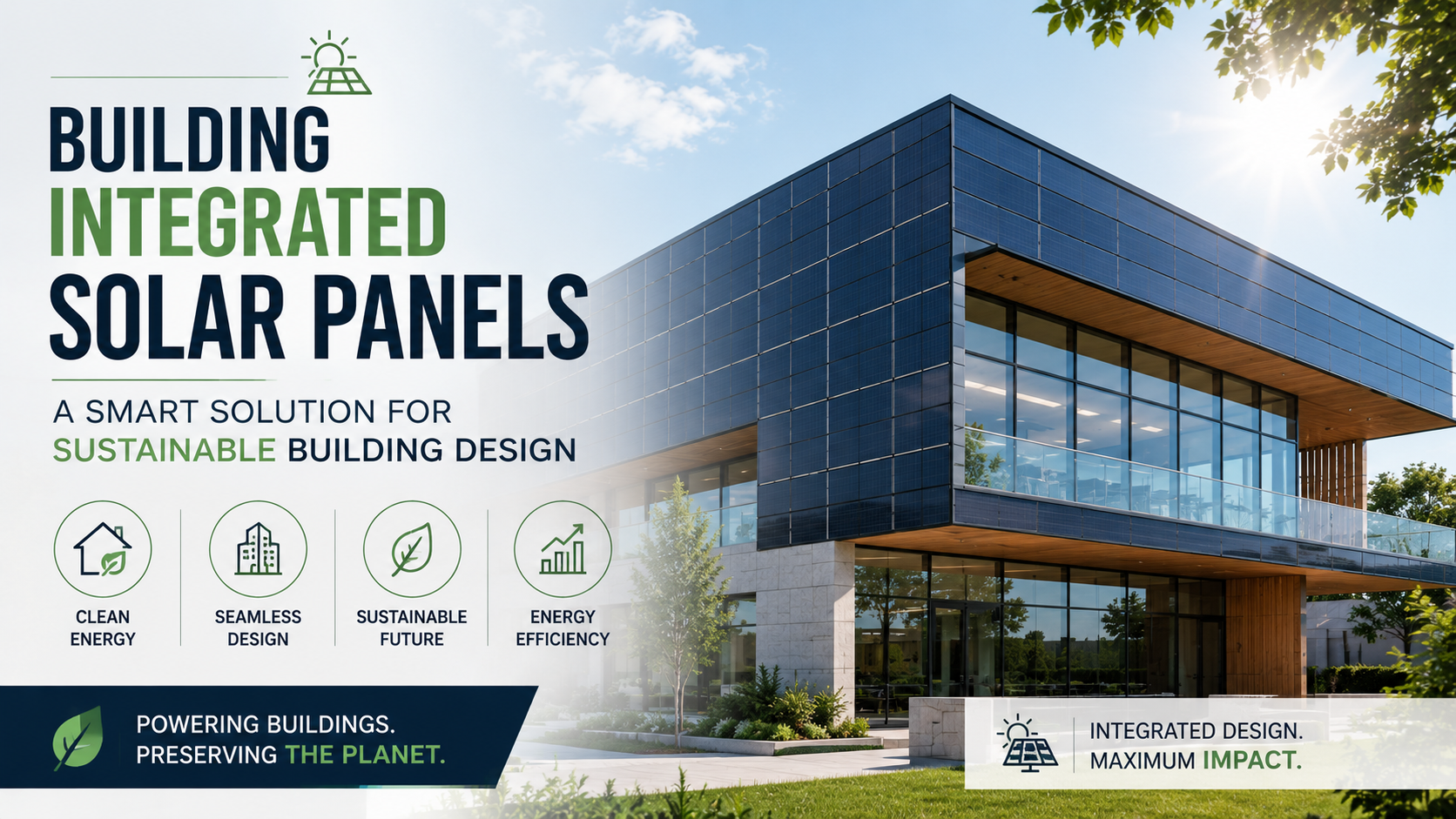
As the demand for energy-efficient buildings continues to grow, building integrated solar panels are becoming an essential part of modern architecture. Unlike conventional solar systems that are added after construction, building integrated solar panels are designed to become a functional part of the building itself. They generate clean electricity while serving as roofing, façades, skylights, or other structural components. This innovative approach allows architects and property owners to achieve sustainability goals without compromising the visual appeal of a building.
What Are Building Integrated Solar Panels?
Building integrated solar panels are photovoltaic components that are incorporated directly into the building envelope. Instead of being mounted on top of an existing roof or wall, these panels replace traditional construction materials while producing renewable energy.
By combining architectural functionality with electricity generation, building integrated solar panels help maximize available building surfaces and create a seamless, modern appearance. They are suitable for residential, commercial, institutional, and mixed-use developments.
Benefits of Building Integrated Solar Panels
The increasing adoption of building integrated solar panels is driven by their numerous practical and environmental advantages.
Clean Energy Production
One of the biggest advantages of building integrated solar panels is their ability to generate electricity from sunlight. This renewable energy source helps reduce dependence on conventional power while supporting sustainable construction practices.
Enhanced Architectural Design
Building integrated solar panels blend naturally with the overall structure, creating a sleek and contemporary appearance. Because they are incorporated into the building envelope, they eliminate the need for bulky external installations.
Efficient Use of Space
Unlike traditional rooftop systems that require dedicated installation areas, building integrated solar panels make productive use of surfaces that already exist within the building design, such as roofs, façades, and skylights.
Common Applications of Building Integrated Solar Panels
The flexibility of building integrated solar panels makes them suitable for a wide variety of construction projects.
Roofing Systems
Roofs are one of the most common locations for building integrated solar panels. They provide excellent exposure to sunlight while replacing conventional roofing materials.
Building Facades
Modern commercial and residential buildings often use building integrated solar panels within exterior façades to combine energy generation with contemporary architectural design.
Skylights
Building integrated solar panels can also be incorporated into skylights, allowing natural daylight to enter interior spaces while producing renewable electricity.
Canopies and Walkways
Parking shelters, entrance canopies, and covered walkways can benefit from building integrated solar panels, transforming functional structures into energy-producing assets.
Key Features of Building Integrated Solar Panels
Several characteristics make building integrated solar panels an attractive option for modern construction.
Long-Term Durability
Building integrated solar panels are manufactured to withstand harsh weather conditions, including rain, wind, and prolonged sunlight exposure. Their durable construction supports reliable long-term performance.
Design Flexibility
Available in various sizes, finishes, and transparency levels, building integrated solar panels provide architects with greater freedom to create visually appealing buildings while maintaining energy efficiency.
Low Maintenance
Routine cleaning and periodic inspections are generally sufficient to maintain the appearance and performance of building integrated solar panels throughout their service life.
Factors to Consider Before Installing Building Integrated Solar Panels
Careful planning ensures that building integrated solar panels deliver the best possible results.
Building Orientation
Proper orientation plays an important role in maximizing sunlight exposure. Positioning building integrated solar panels correctly improves energy generation throughout the year.
Project Requirements
Every project has different architectural and energy objectives. Selecting building integrated solar panels that align with the building’s design and performance goals helps achieve the desired outcome.
Professional Installation
Accurate installation is essential for ensuring the safety, durability, and efficiency of building integrated solar panels. Proper integration also helps maintain the building envelope’s structural performance.
Sustainability Benefits of Building Integrated Solar Panels
Building integrated solar panels support environmentally responsible construction by generating clean, renewable electricity while replacing traditional building materials. Their dual functionality reduces the need for additional construction components, contributing to more efficient resource utilization.
These systems also encourage energy-conscious building design by transforming exterior surfaces into productive assets. As sustainable architecture becomes increasingly important, building integrated solar panels continue to support greener construction practices and long-term environmental goals.
Furthermore, integrating renewable energy directly into the building envelope helps reduce overall environmental impact while promoting responsible development for future generations.
Maintenance Tips for Building Integrated Solar Panels
Maintaining building integrated solar panels is relatively simple. Regular cleaning removes dust and debris that may reduce sunlight exposure. Periodic inspections help identify any signs of wear or minor damage before they develop into larger issues. Following a consistent maintenance schedule ensures building integrated solar panels continue to perform efficiently for many years.
Why Building Integrated Solar Panels Are the Future of Construction
Architects and developers increasingly recognize the value of building integrated solar panels because they combine energy production, structural functionality, and modern aesthetics. As sustainability standards continue to evolve, these innovative systems offer an effective solution for creating attractive, energy-efficient buildings.
Whether incorporated into residential homes, office buildings, educational facilities, or public infrastructure, building integrated solar panels support long-term performance while contributing to cleaner energy generation.
Conclusion
Choosing building integrated solar panels is a forward-thinking decision for projects focused on sustainability, energy efficiency, and architectural innovation. By combining renewable energy generation with essential building components, building integrated solar panels deliver both functional and visual benefits. Their durability, design flexibility, efficient use of space, and environmental advantages make building integrated solar panels an ideal solution for modern construction and the future of sustainable building design.