
 By Admin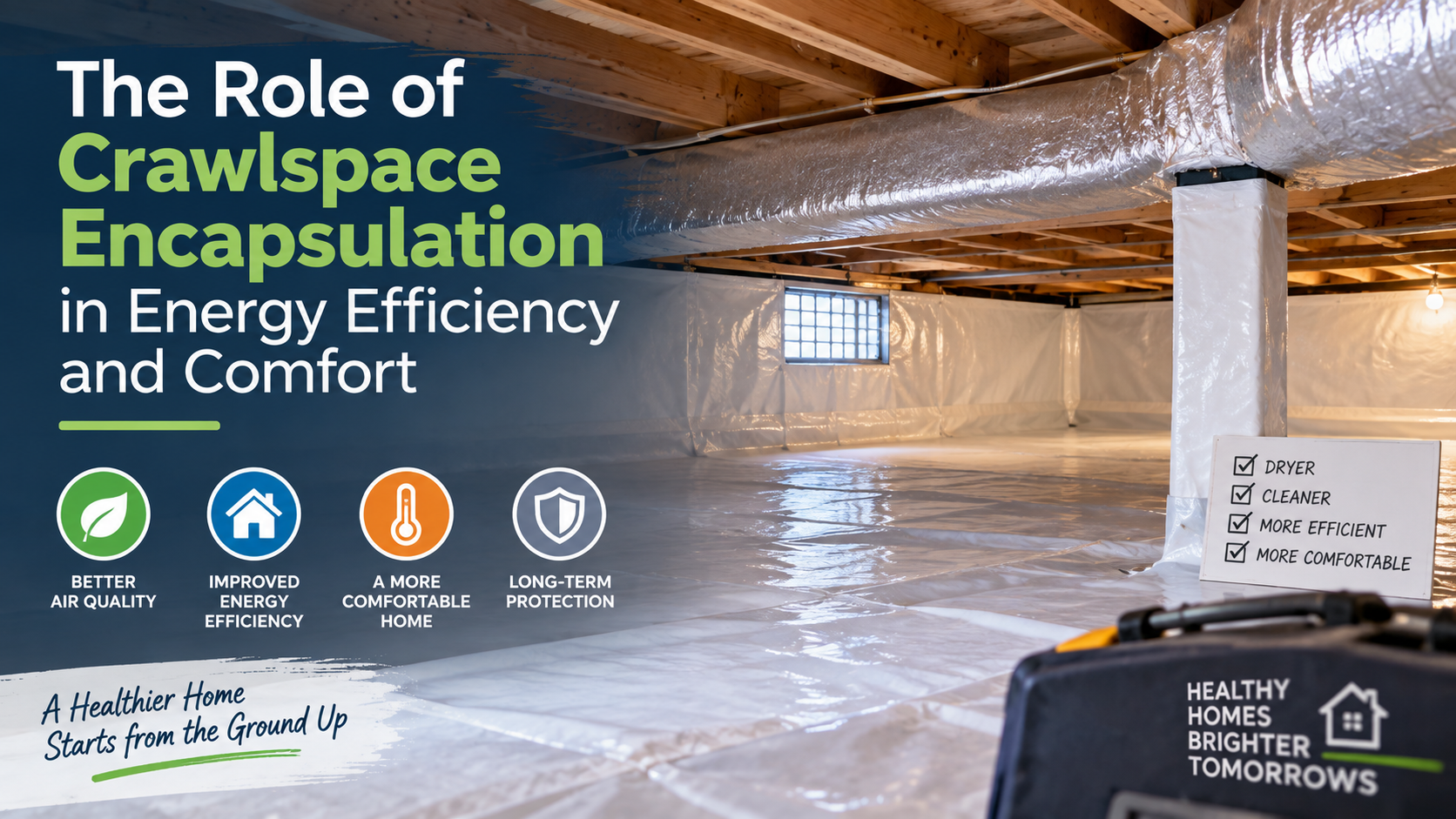
A sealed crawlspace limits the effects of outdoor air and ground moisture on the floor system above. Crawlspace encapsulations use barriers and sealed openings to reduce moisture intrusion into the space beneath a home. Insulation and humidity control help maintain more stable temperatures and moisture levels within the enclosed crawlspace. Here is more information on the role of encapsulation in energy efficiency and comfort:
Limit Outdoor Air Entry
Open crawlspace vents and gaps around pipes, wires, and ducts allow outdoor air to enter the space beneath the home. Sealing these openings limits uncontrolled air movement, and a durable plastic vapor barrier reduces moisture transfer from the soil and foundation walls. When these measures work together, they create a more controlled crawlspace environment that supports consistent conditions beneath the home and helps improve energy efficiency and indoor comfort.
Vapor barriers are durable plastic sheets used in crawlspace encapsulations. They cover crawlspace floors and walls to reduce moisture transfer from the soil and foundation surfaces. Sealing vents and gaps also limits the entry of humid outdoor air. These measures establish a more controlled moisture environment that supports the performance of insulation and dehumidification equipment.
Encapsulation brings together air sealing, moisture control, and insulation to create more stable conditions beneath the home. With less uncontrolled air exchange, insulation helps limit heat transfer and maintain more consistent crawlspace temperatures. These improvements support energy efficiency and more comfortable rooms above the crawlspace.
Control Humidity Levels
Controlling moisture and humidity helps protect the crawlspace from damp conditions that can affect indoor comfort and energy efficiency. A dehumidifier removes excess moisture from the air inside an enclosed crawlspace, while drainage and waterproofing address water entering from other sources. Lower humidity creates less favorable conditions for mold and mildew growth, although moisture control must be maintained throughout the space. Several components contribute to overall moisture management:
- Dehumidifier: Removes excess moisture from the crawlspace air and helps maintain a controlled humidity level.
- Waterproofing: Addresses water intrusion through foundation surfaces and other potential entry points.
- Drainage: Directs water away from the crawlspace and foundation, reducing contact with surfaces where moisture can accumulate.
Stabilize Crawlspace Temperatures
Temperature fluctuations in a crawlspace affect heat transfer through the floor above. Insulating the crawlspace walls and other appropriate surfaces reduces heat transfer through the foundation and helps moderate temperature changes beneath the home. Because insulation works within the larger encapsulation system, the two measures address different aspects of the crawlspace environment. Insulation should be installed as part of a properly designed encapsulation system rather than as a standalone measure. They create a more stable thermal environment through seasonal temperature changes, which supports consistent floor temperatures and comfort in the rooms above.
Improve Indoor Air Quality
Crawlspace conditions can affect the air within the home, particularly when dampness, odors, or other air-quality concerns develop beneath occupied areas. Air movement through gaps and other openings provides pathways between the crawlspace and living spaces. Addressing sources of dampness and odors, while limiting unwanted air exchange, helps maintain cleaner conditions beneath the home. Several factors influence crawlspace air quality:
- Moisture: Persistent dampness creates conditions that contribute to musty odors and other air-quality concerns.
- Odors: Organic materials, standing water, and damp surfaces can produce odors that affect the air above the crawlspace.
- Air movement: Gaps and openings between the crawlspace and living areas provide pathways for crawlspace air to enter the home.
Plan Your Crawlspace Encapsulations
Crawlspace conditions vary by home, so identifying the source of moisture should come before selecting encapsulation, waterproofing, or humidity-control measures. Standing water and excessive humidity require different approaches to waterproofing and dehumidification. A professional inspection also identifies whether insulation or structural repairs should be included in the project. Schedule a crawlspace assessment to determine which crawlspace encapsulation approach fits your space.