
 By Admin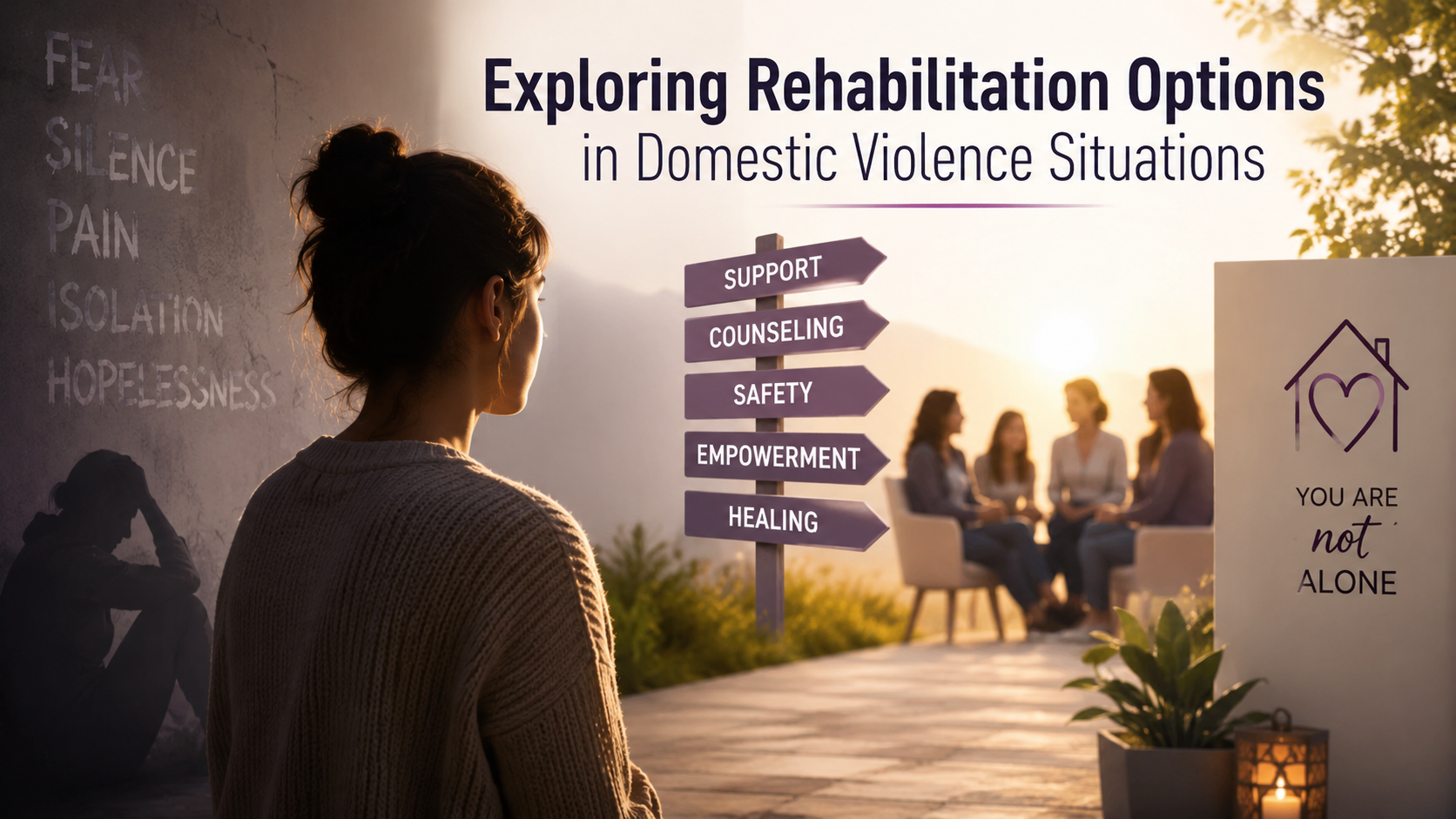
Domestic violence allegations involve more than potential criminal penalties, since reports can lead to investigations, prosecutions, and protective orders. Counseling or rehabilitation programs may also be among the legal consequences, and some legal procedings restrict personal freedoms. Understanding these legal and rehabilitative factors helps clarify the recommendations of a domestic violence defense attorney as a case progresses. Here are some case outcomes and how a lawyer influences the proceedings:
Legal Consequences and Court Process
Domestic violence is described as conduct by one family or household member intended to cause physical harm, bodily injury, or assault. The definition also includes threats that reasonably place another member in fear of imminent harm or assault. Domestic violence allegations involve several types of conduct, such as:
- Stalking
- Digital abuse
- Emotional abuse
- Financial abuse
- Physical abuse
- Sexual abuse
- Neglect
Following a report, law enforcement investigates the circumstances and evaluates the available evidence. When sufficient evidence exists, the matter is typically referred to the district attorney for prosecution. Potential consequences include fines, imprisonment, mandatory counseling, and rehabilitation programs. Legal representation helps protect constitutional rights during proceedings, and an experienced domestic violence defense attorney builds a defense while pursuing a favorable outcome.
Counseling and Rehabilitation Options
Mandatory counseling or rehabilitation programs are potential consequences for people accused of domestic violence. These requirements might appear alongside fines and imprisonment as part of a court-ordered sentence. The court may review factors such as the severity of the alleged conduct, the defendant’s criminal history, and the circumstances surrounding the case when determining the appropriate penalties. A defense attorney negotiates with prosecutors to achieve alternative sentencing options or reduced charges. This may help the defendant obtain a resolution with less severe consequences than those associated with the original charges.
Protective Orders and Contact Limits
Courts may issue protective orders to safeguard victims during domestic violence cases. A No-Contact Order or Emergency Protective Order restricts communication with the victim. The restriction often applies to both direct and indirect contact methods, such as phone calls, text messages, social media, and communication through third parties.
Protective-order violations can affect the defendant’s bond, and it sometimes results in immediate bond revocation and return to jail. These create separate legal concerns during the criminal case. Communications with victims about charges or testimony can raise witness-tampering concerns. A domestic violence defense attorney advises the defendant about communication with the victim when contact restrictions apply.
Evidence Review and Defense Strategy
A lawyer reviews the prosecution’s case and identifies weaknesses that could support dismissal. The defense attorney builds a defense based on the available evidence, witness testimony, and applicable legal arguments. This review may reveal inconsistencies in the allegations or gaps in the evidence that affect how the charges are addressed. Attorneys also challenge unreliable evidence or disputed statements, and this helps influence the direction of the case.
The attorney protects the accused person’s constitutional rights throughout the domestic violence case. This includes reviewing how evidence was obtained and addressing procedural errors that could affect the case. These actions help confirm that the prosecution’s case is evaluated according to legal standards. A lawyer also keeps the defendant informed about court requirements and decisions, so they understand what to expect throughout the legal process.
Consult a Domestic Violence Defense Attorney
Rehabilitation can appear in domestic violence cases as a potential consequence alongside counseling, fines, and imprisonment. Legal representation protects the defendant’s rights while supporting defense development and the pursuit of an appropriate resolution. Speaking with a domestic violence defense lawyer promptly gives you a chance to evaluate the allegations and available legal options. Contact a defense attorney today to learn more.