
 By Admin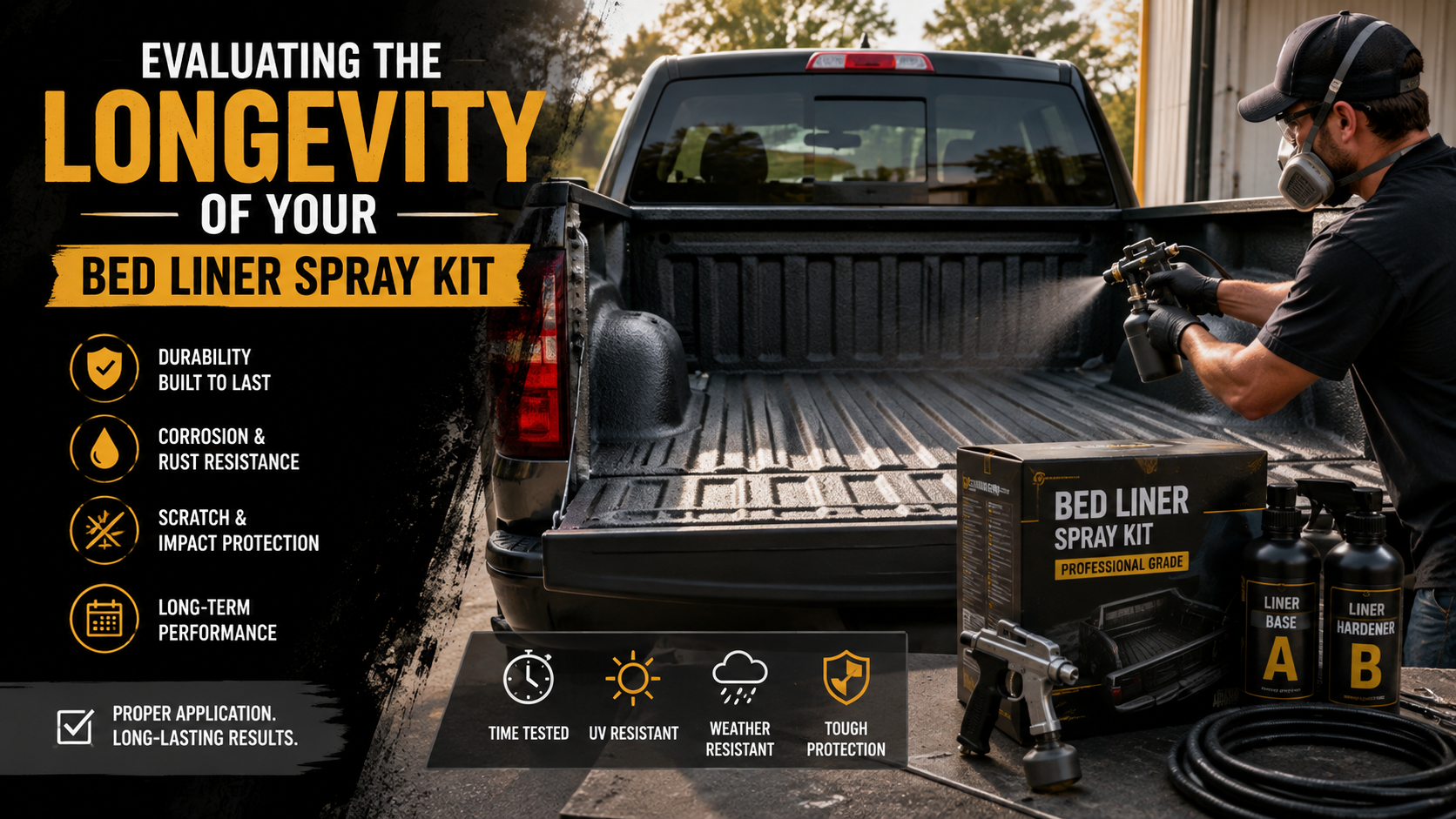
A bed liner faces impact, abrasion, moisture, and temperature changes during regular use. Because several factors affect coating performance, evaluating a bed liner’s longevity requires more than examining the finished surface. Physical wear, environmental exposure, surface preparation, and application quality all contribute to how well the coating performs over time. Here is more information to help you evaluate the expected longevity of a bed liner spray kit:
Assess Impact and Abrasion Resistance
A spray-on bed liner is exposed to tools, lumber, gravel, and other truck-bed cargo, all of which place different types of stress on the coating. Repeated contact with these materials can cause abrasion and impact damage. The coating’s formulation, including its polymer structure and any performance-enhancing additives, affects how it responds to these stresses.
Tensile strength measures how a coating responds to forces that pull or stretch the material. Abrasion resistance is evaluated separately because it measures how much material the coating loses during repeated rubbing or contact with an abrasive surface. The type of cargo also affects the wear a truck-bed liner experiences.
Gravel and other loose materials create repeated abrasive contact; tools and heavier items can cause impacts, scratches, or gouges during loading and unloading. Lumber and other rigid cargo also rub against the coating or strike the bed when moved, creating additional surface wear. Durable liner kits are built to last through everyday wear and tear.
Check UV and Chemical Resistance
Sunlight and chemical exposure require different evaluations when choosing a bed liner spray kit. The urethane coating is formulated to withstand outdoor exposure while maintaining its surface characteristics. Chemical resistance is another factor to review because truck beds may come into contact with substances such as gasoline, oil, and cleaning products. The coating’s resistance varies depending on the specific chemical and duration of exposure. Reviewing the substances the liner is likely to encounter provides a more practical way to assess its expected performance. These factors help you choose a coating suited to the conditions your truck bed will face.
Inspect Rust and Corrosion Protection
Moisture and chemicals often affect the factory finish beneath a truck-bed coating, particularly when the underlying surface is exposed. A urethane coating forms a protective layer over the prepared substrate; this helps limit direct contact with moisture and other substances that contribute to surface deterioration. Proper surface preparation is part of the application process because the coating needs a suitable surface for adhesion.
New metal typically requires thorough cleaning to remove surface contaminants. Metallic surfaces also need to remain clean and dry throughout preparation and application because moisture or residue can interfere with the coating process. A primer is used on applicable metallic substrates to prepare the surface for the urethane coating. If an older liner is faded or heavily soiled, oils, dirt, debris, and other contaminants need to be removed before applying another layer. These preparation steps create a cleaner, more consistent surface for the new coating.
Get a Bed Liner Spray Kit
A liner spray kit performs as intended when the coating suits the truck bed’s conditions and is applied correctly. Proper surface preparation helps the coating adhere to the substrate, while the correct application process creates an even layer. Following the product’s preparation, application, and curing requirements helps produce a consistent finished liner. Contact a bed liner specialist today for guidance on surface preparation and application.