
 By Admin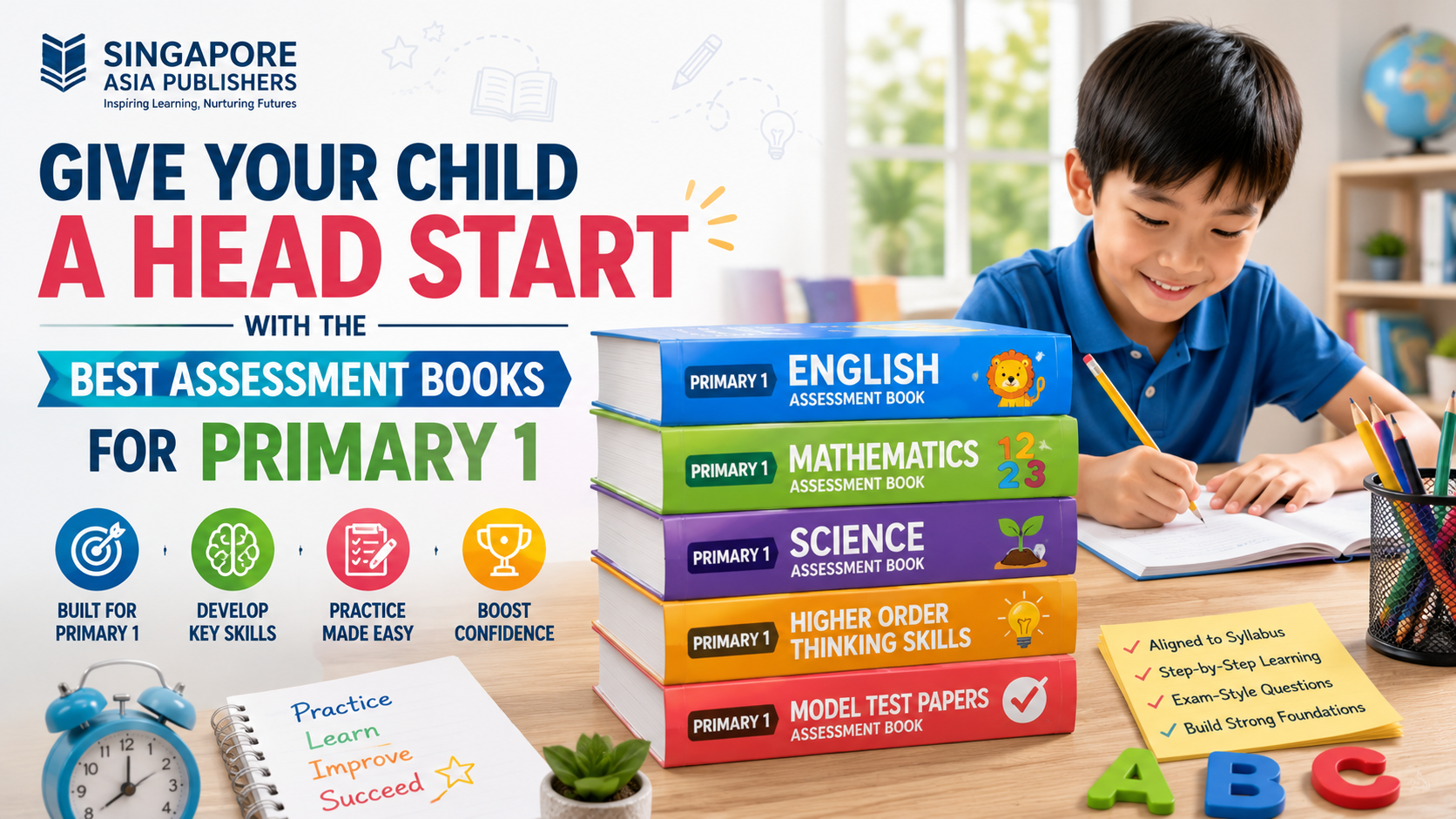
Starting Primary 1 is an exciting milestone that introduces children to a more structured learning environment. As they adjust to new routines, subjects, and classroom expectations, having the right learning support at home can make a meaningful difference.Children can reinforce classroom lessons and practise important concepts more effectively with the best assessment books for Primary 1, helping them build confidence through gradual learning. . With engaging educational resources and consistent practice, young learners develop strong academic foundations that prepare them for future success.
The early years of primary education shape a child’s attitude toward learning. Positive study experiences encourage curiosity, independence, and confidence that benefit students throughout their educational journey.
Key Takeaways
|
Why Primary 1 Is a Crucial Stage of Learning
Primary 1 marks the beginning of formal education, where children develop the essential literacy, numeracy, and communication skills they will continue using throughout school. During this transition, students learn new routines while adapting to more structured lessons and independent learning.
Quality educational resources complement classroom teaching by giving children additional opportunities to review concepts at their own pace. Regular practice also helps reinforce understanding and builds confidence through repeated exposure to new topics.
Early learning experiences play a significant role in shaping academic habits, making consistent support especially valuable during this important stage.
The benefits include:
- Stronger foundational knowledge
- Improved classroom confidence
- Better study routines
- Enhanced problem-solving abilities
- Greater learning independence
These advantages help children approach school with confidence while encouraging long-term academic growth.
Building Strong Learning Foundations
Developing essential skills early creates a solid base for future academic success across every subject.
Encouraging Positive Learning Habits
Consistent practice helps children become comfortable with regular study and independent revision.
How Assessment Books Support Classroom Learning
Assessment books provide valuable opportunities for children to reinforce what they have learned in school. Instead of introducing entirely new material, these resources help students review classroom lessons through structured exercises that gradually strengthen understanding.
Many assessment books include carefully organised activities that encourage children to think independently while improving accuracy and confidence. Step-by-step progression allows learners to master one concept before moving on to more challenging topics.
Parents also benefit because assessment books make it easier to monitor progress and identify areas that may require additional attention.
| Learning Feature | Student Benefit |
| Topic-based exercises | Better understanding |
| Progressive activities | Increased confidence |
| Revision questions | Stronger knowledge retention |
| Answer guides | Independent learning |
| Regular practice | Improved classroom performance |
These learning features work together to create meaningful and consistent academic progress.
Reinforcing Daily Lessons
Regular revision strengthens classroom learning while improving long-term understanding.
Encouraging Independent Practice
Children gradually become more confident as they complete exercises on their own.
Strengthening Core Subjects from the Beginning
Primary 1 introduces children to the essential building blocks of English, Mathematics, and Science. Developing confidence across these subjects during the early years helps students handle more advanced topics as they progress through school.
English activities strengthen reading, vocabulary, grammar, and communication skills, while Mathematics exercises improve logical thinking and numerical confidence. Science encourages curiosity by introducing children to observation, reasoning, and simple scientific concepts.
Balanced learning across multiple subjects creates well-rounded students who enjoy exploring new ideas.
Regular practice develops:
- Reading confidence
- Vocabulary growth
- Numerical reasoning
- Observation skills
- Critical thinking
These important abilities support steady academic progress while making learning more enjoyable.
Creating Effective Learning Routines at Home
Children benefit greatly from regular learning routines that balance study with play and relaxation. Short daily revision sessions often produce better results than long periods of intensive study because young learners maintain focus more easily.
Parents can support learning by creating a quiet study space, encouraging positive attitudes, and celebrating small achievements along the way. This supportive environment builds confidence while helping children develop responsibility for their own learning.
Simple routines established during Primary 1 often continue throughout a child’s educational journey.
Setting Realistic Daily Goals
Small learning targets help children stay motivated while making steady academic progress.
Celebrating Every Achievement
Recognising improvement encourages children to remain enthusiastic about learning and continue building confidence.
Choosing the Right Assessment Books for Primary 1
Choosing suitable learning resources can make the transition into Primary 1 smoother and more enjoyable. Well-designed assessment books present concepts in a logical sequence, allowing children to strengthen one skill before progressing to the next. This gradual approach reduces frustration while encouraging steady academic improvement.
Parents should also look for books that match the current curriculum and include engaging activities that maintain children’s interest. Colourful layouts, clear instructions, and age-appropriate exercises help young learners remain motivated while developing confidence in their abilities.
Features to Look for in Primary 1 Assessment Books
Choose books that include:
- Curriculum-aligned content
- Step-by-step learning activities
- Colourful and engaging layouts
- Progressive practice exercises
- Revision questions with answer guides
- Age-appropriate language and illustrations
These features support enjoyable learning while helping children develop confidence through consistent practice.
Explore More Learning Resources
Parents can further support their child’s education with Primary School Books, which provide comprehensive learning materials across English, Mathematics, Science, and Chinese for every stage of primary education.
Smart Study Tips for Parents
Parents play an important role in helping children develop positive learning habits during Primary 1. Instead of focusing only on results, encouraging regular practice and celebrating gradual improvement builds confidence and creates a positive attitude toward education.
Creating a simple daily routine that includes reading, short revision sessions, and enjoyable learning activities helps children remain engaged without feeling overwhelmed.
Helpful study tips include:
- Establish a regular daily study routine.
- Keep revision sessions short and engaging.
- Encourage reading every day.
- Praise effort as well as achievement.
- Review completed exercises together.
These simple habits create a supportive learning environment that encourages long-term academic success.
Common Learning Mistakes to Avoid
Children learn best when they feel supported rather than pressured. One common mistake is expecting immediate perfection instead of recognising gradual improvement. Every child learns at a different pace, and confidence develops through consistent encouragement.
Another challenge is relying only on memorisation instead of helping children understand concepts. Understanding strengthens problem-solving abilities and allows students to apply their knowledge in different situations.
Common mistakes include:
- Expecting instant results
- Skipping regular revision
- Focusing only on memorisation
- Comparing children with others
- Making study sessions too long
Avoiding these habits creates a more enjoyable and productive learning experience.
Why Quality Educational Resources Matter
Reliable educational resources provide structured learning opportunities that complement classroom instruction while encouraging independent practice. Books developed by experienced educational publishers present lessons clearly and progressively, helping children strengthen essential academic skills without unnecessary pressure.
High-quality assessment books also help parents monitor progress more effectively by identifying strengths and areas requiring additional support. This balanced approach promotes continuous improvement while building children’s confidence in learning.
Choosing dependable educational materials lays a strong foundation for future academic achievement.
Final Takeaway
Primary 1 is the beginning of an exciting educational journey, and the right learning resources can make that experience both enjoyable and rewarding. By encouraging regular practice, supporting positive study habits, and choosing high-quality educational materials, parents can help children develop confidence that lasts throughout their school years.
Discover educational books that inspire success by visiting sapgrp.com and giving your child the tools needed for lifelong learning.
Frequently Asked Questions
- Why are assessment books helpful for Primary 1 students?
Assessment books reinforce classroom learning by providing structured practice that strengthens understanding of key concepts. They also help children build confidence through regular revision and gradual skill development.
- How often should Primary 1 children use assessment books?
Short daily or several weekly practice sessions are usually more effective than long periods of study. Consistent revision helps children remember concepts while maintaining enthusiasm for learning.
- What should parents consider when choosing assessment books?
Parents should look for books that match the school curriculum, provide clear instructions, and include age-appropriate activities. Resources with progressive exercises and answer guides also encourage independent learning.
- How can parents make learning more enjoyable at home?
Parents can create a positive learning environment by using encouraging language, celebrating progress, reading together, and keeping study sessions interactive. Enjoyable learning experiences help children develop confidence and curiosity.
- Can assessment books improve independent learning skills?
Yes. Assessment books encourage children to solve problems, complete exercises, and review their work independently. Over time, this helps them become more responsible learners while strengthening their confidence in tackling new challenges.