
 By Admin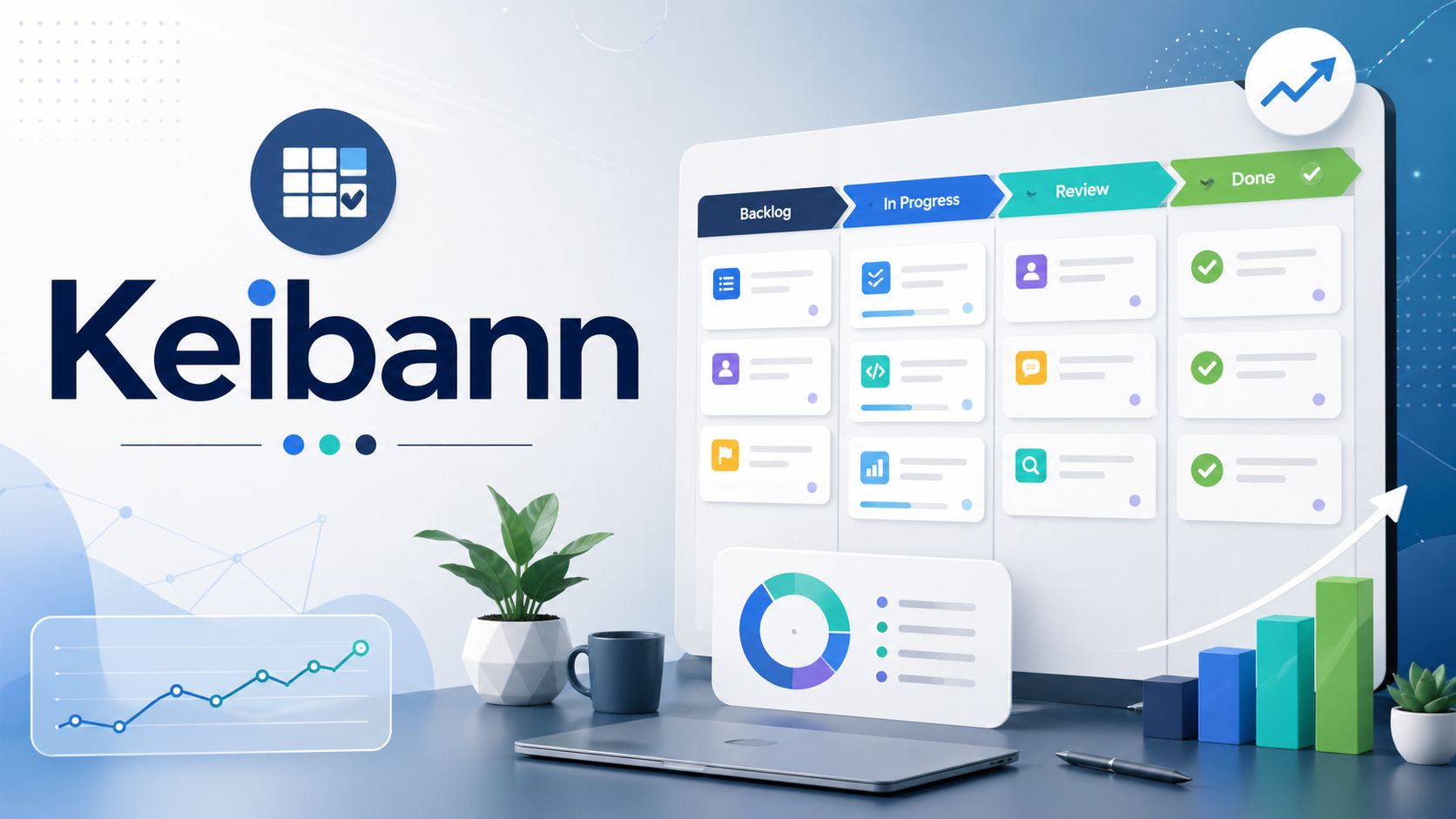
You’ve probably seen the word keibann floating around online… and paused.
What does it even mean? Is it a tool, a method, a vehicle… or something else?
Well — here’s the honest answer.
Keibann isn’t just one thing. It’s a flexible idea used in different contexts, but the core theme stays the same: efficiency, simplicity, and smart organization.
Let’s break it down properly — in a simple, human way.
What Is Keibann?
Keibann is a modern concept used to describe systems or ideas focused on organized workflows, compact design, and efficiency.
In most digital contexts, it refers to a visual workflow management system where tasks are organized and tracked in real time.
But… that’s not the full story.
Depending on where you see it, keibann can mean:
- A productivity system (like visual task boards)
- A design philosophy (simple + efficient systems)
- A type of compact vehicle (Japanese “kei van” concept)
- Even data-driven systems in niche industries
So yeah… a bit confusing at first.
But once you see the pattern, it makes sense.
The Origin of the Word Keibann
The word is believed to come from Japanese-inspired terms:
- “Kei” → light, efficient, or system-based
- “Ban” → board, panel, or structure
Put together, it roughly means:
A structured, lightweight system designed for efficiency.
That idea shows up in everything linked to keibann.
How Keibann Works (Simple Explanation)
Let’s take the most common use — workflow management.
Imagine this…
You have a board with columns:
- To Do
- In Progress
- Done
Each task moves across these stages.
That’s keibann in action.
Instead of guessing what’s happening, you see it instantly.
Basic Workflow Structure
| Stage | What It Means | Example |
|---|---|---|
| To Do | Tasks waiting | Write blog |
| In Progress | Work started | Editing article |
| Completed | Finished work | Published post |
Simple. Clear. No confusion.
Key Features of Keibann
Keibann stands out because it’s practical — not theoretical.
Here’s what makes it useful:
- Visual task tracking
- Real-time updates
- Flexible workflow structure
- Easy team collaboration
- Quick problem detection (bottlenecks)
And honestly… that’s why startups and remote teams love it.
Why Keibann Is Becoming Popular
Work today is messy. Too many tools. Too many messages.
Keibann solves that by simplifying everything.
Main reasons people use it:
- Clarity – everyone knows what’s happening
- Speed – fewer delays, faster decisions
- Team alignment – no miscommunication
- Flexibility – works for any type of work
And especially for remote teams… it’s a lifesaver.
Types of Keibann (Different Use Cases)
Keibann isn’t limited to one format. It adapts.
Common Types
- Basic Keibann
- Simple task board
- Best for beginners
- Agile Keibann
- Faster iterations
- Used in tech teams
- Digital (SaaS) Keibann
- Cloud-based tools
- Real-time updates
- Enterprise Keibann
- Advanced tracking + analytics
- Large organizations
- Lean Keibann
- Focus on efficiency and waste reduction
Keibann vs Traditional Project Management
Here’s where things get interesting…
| Feature | Traditional Method | Keibann |
|---|---|---|
| Visibility | Limited | Full visual view |
| Flexibility | Rigid | Very flexible |
| Updates | Manual | Real-time |
| Communication | Scattered | Centralized |
| Speed | Slower | Faster |
Traditional systems focus on planning.
Keibann focuses on execution.
And that’s a big difference.
Keibann Beyond Workflows (Other Meanings)
This is where many people get confused…
Keibann is also used in other areas.
1. Keibann Vehicles
In Japan, “keibann” can refer to small vans:
- Compact size
- Low fuel cost
- Designed for business use
- Highly efficient
These vehicles focus on maximum utility in minimum space.
Same idea again: efficiency.
2. General Design Philosophy
Some people use keibann to describe:
- Minimalist systems
- Smart design
- Multi-purpose tools
Basically… anything that does more with less.
3. Data and Niche Systems
In some cases, keibann is used for:
- Data tracking systems
- Industry-specific frameworks
- Analytical models
Not very common — but it exists.
Real-Life Example of Keibann
Let’s say you run a content team.
Without keibann:
- Messages everywhere
- Deadlines missed
- Confusion
With keibann:
- Tasks visible
- Progress clear
- Team aligned
It’s not magic… but it feels like it.
Benefits of Using Keibann
Here’s what you actually gain:
- Better productivity
- Clear workflow visibility
- Fewer mistakes
- Faster execution
- Strong team coordination
And over time — better results.
Common Mistakes People Make
Let’s be real… most people use it wrong.
Mistakes to avoid:
- Making it too complex
- Not updating tasks
- Using it like a simple to-do list
- Ignoring team communication
- Adding too many workflow stages
Keep it simple. That’s the whole point.
Future of Keibann
Keibann is still evolving.
And honestly… it’s only getting bigger.
What’s coming next:
- AI-powered workflow tracking
- Automated task movement
- Predictive analytics
- Smarter collaboration tools
As work becomes more digital, systems like keibann will grow even more.
FAQs About Keibann
What does keibann mean?
It generally refers to systems focused on efficiency, organization, and simplicity.
Is keibann a real method?
Yes, but it’s not fixed. It’s a flexible concept used in different ways.
Is keibann the same as Kanban?
It’s inspired by similar ideas, but keibann is broader and more adaptable.
Where is keibann used?
In workflows, design systems, business processes, and even vehicles.
Final Thoughts
Keibann isn’t a strict definition.
It’s more like a mindset.
A way of thinking:
- Keep things simple
- Stay organized
- Focus on efficiency
And honestly… that’s why it’s trending.
Because in a messy digital world,
simple systems win.